
Why species-specific care matters for animal welfare
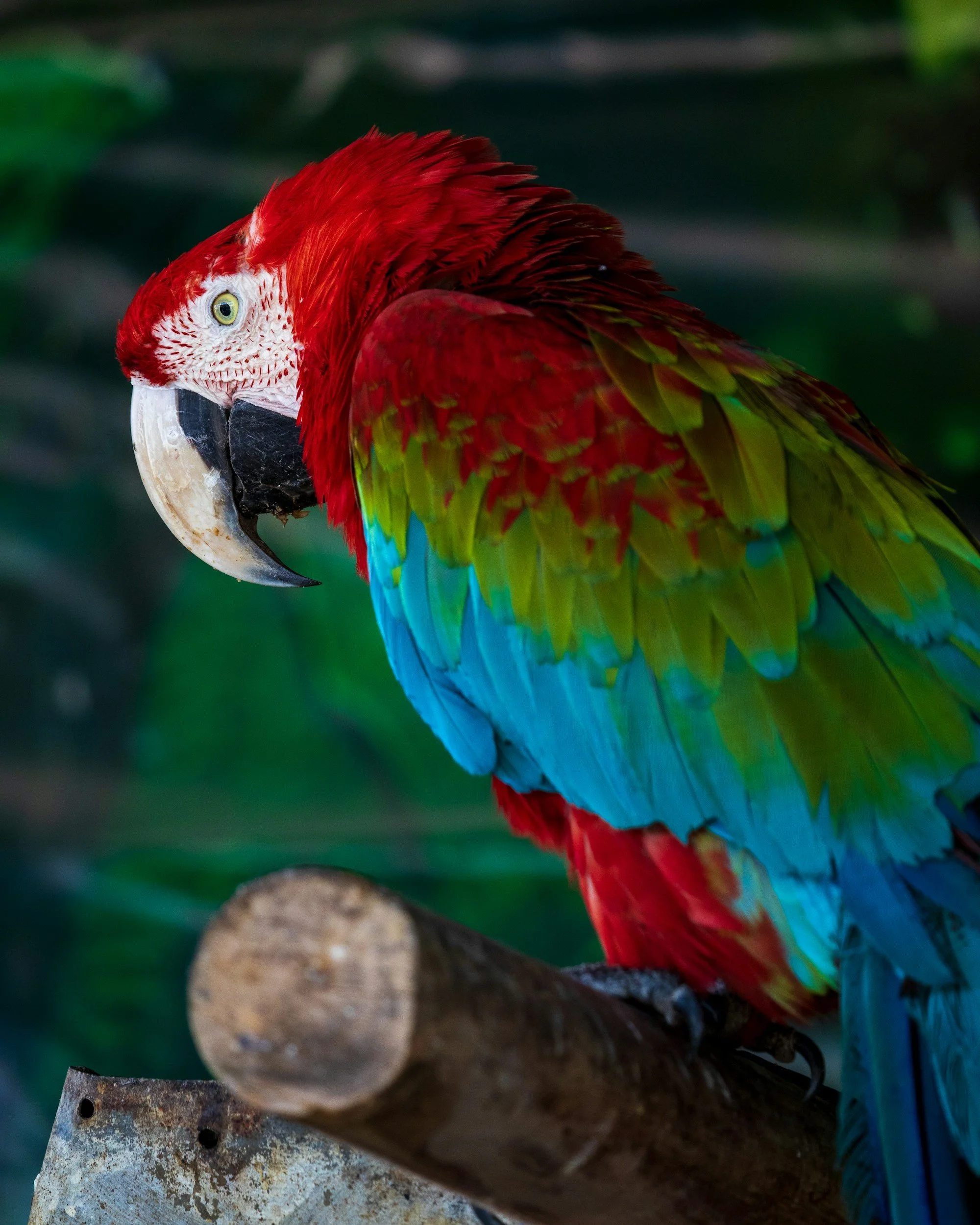
Green-winged macaws are wide-ranging, highly social and cognitively complex birds. Their welfare in captivity depends on species-specific care that supports meaningful movement, social interaction, foraging, problem-solving, choice and behavioural engagement.
Good animal welfare is not simply about keeping an animal alive, preventing obvious suffering, or following a generic care sheet. It is about understanding what that animal is, what kind of life it has evolved to live, and what it needs in order to experience a life worth living.
For exotic animals in captivity, this matters enormously. A snake, parrot, tortoise, amphibian, sugar glider, primate, fish or lizard may all be described as “pets” or “captive animals”, but their needs are profoundly different. Each species has its own evolutionary history, sensory world, behaviour, social structure, diet, movement patterns, environmental requirements and ways of responding to stress.
That is why species-specific care is not an optional extra. It is the foundation of good welfare.
Captivity does not affect all species in the same way
One of the most important lessons from animal welfare science is that different species respond to captivity in very different ways. Some species may adapt relatively well to managed environments when their needs are understood and met. Others may remain vulnerable to poor welfare even when they are fed, housed and protected from predators, disease or climate extremes.
Georgia Mason’s work on species differences in responses to captivity is especially important here. Mason highlighted that captivity is not a neutral environment. It can affect species differently depending on their biology, ecology and behavioural adaptations in the wild [1]. In other words, the same captive conditions may be tolerable for one species but highly restrictive, stressful or damaging for another.
This is also reflected in earlier work by Clubb and Mason on wide-ranging carnivores, which found that species with large natural home ranges were more likely to show signs of poor welfare in captivity, including stereotypic behaviour and increased infant mortality [2]. The relevance goes far beyond carnivores. It shows why natural history matters. How a species lives in the wild can help us understand what captivity may remove, restrict or distort.
This does not mean that welfare assessment should be based only on how far an animal would travel in the wild, or whether captivity can ever replicate nature exactly. It cannot. But it does mean that the species’ evolved way of life must be taken seriously.
Species-specific care means more than the right enclosure
When people think about species-specific care, they often think first about housing: the right temperature, humidity, lighting, substrate, enclosure size, diet and shelter. These are essential, but they are only part of the picture.
A species-specific approach also asks deeper questions.
What does this species need to do, not just to survive, but to function well? Does it need to climb, glide, burrow, swim, bask, forage, dig, fly, retreat, patrol, graze, chew, explore, migrate, aestivate or brumate? Is it solitary, pair-bonded, group-living, territorial or socially complex? Does it rely on ultraviolet light, seasonal cycles, specific humidity gradients, complex feeding strategies, social learning, or opportunities to make choices?
A bearded dragon, for example, is not simply a reptile that needs heat. It is a diurnal lizard that uses light, heat, space, basking opportunities, visual information and behavioural choice to regulate its body and behaviour. A sugar glider is not simply a small nocturnal mammal. It is an arboreal, gliding, social marsupial with complex movement, dietary and social needs. A parrot is not simply a bird in a cage. It is often a long-lived, highly intelligent, socially complex animal with powerful behavioural motivations to fly, forage, manipulate, vocalise and engage with its environment.
When care is reduced to a checklist, these differences can be lost.
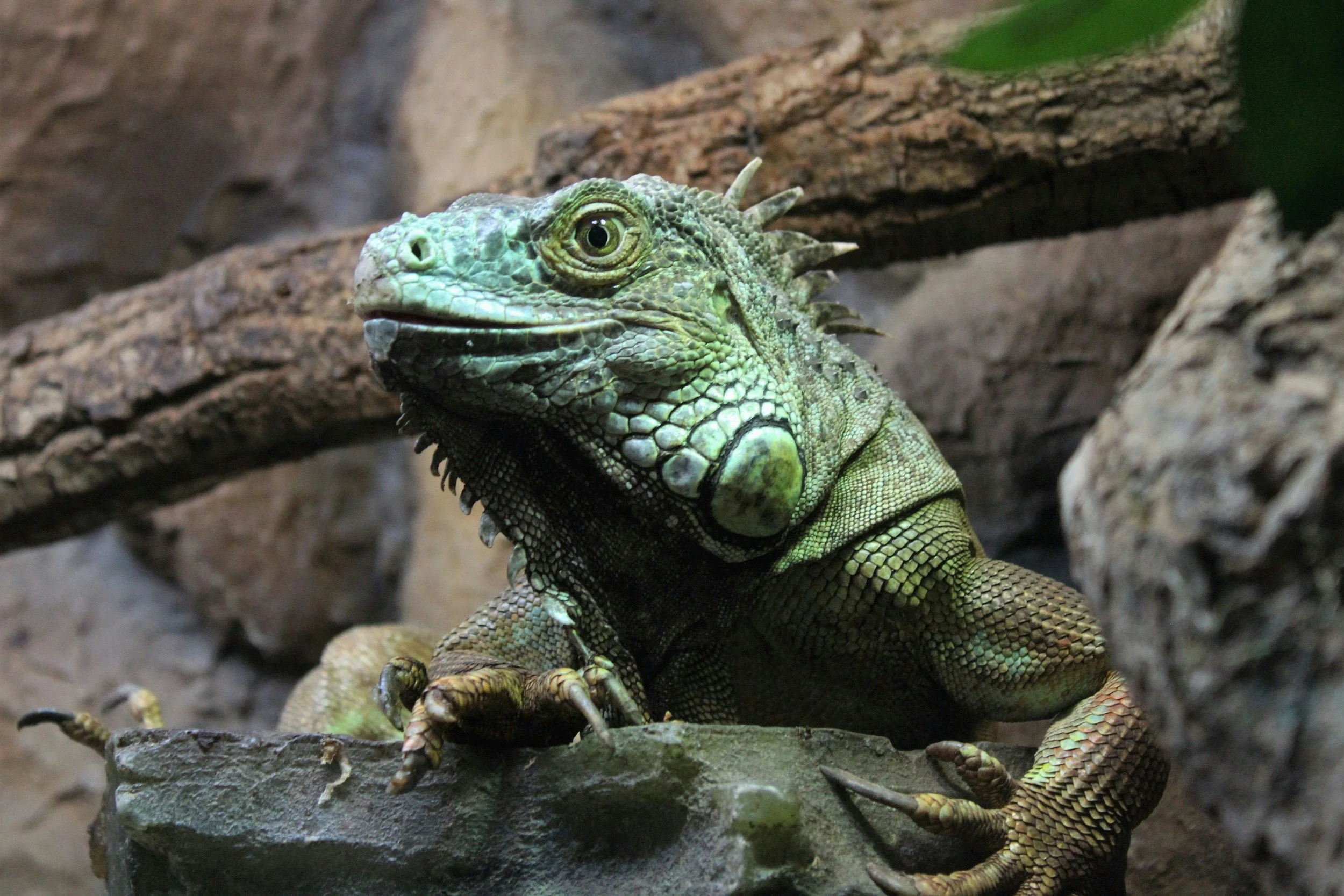
Green iguanas are often underestimated when young, but as they mature they become large, powerful and behaviourally challenging animals. Good welfare in captivity requires specialist knowledge, substantial space, appropriate heat, humidity, lighting, species-appropriate diet, climbing opportunities and careful management of adult behaviour.
Welfare is about lived experience
Modern welfare science has moved beyond the idea that welfare is only about physical health. The Five Domains Model, developed and refined by Mellor and colleagues, provides a structured way to consider how nutrition, physical environment, health and behavioural interactions influence an animal’s mental state [3,4].
This matters because welfare is ultimately about the animal’s lived experience.
An animal may be physically healthy but still experience frustration, fear, boredom, social isolation, chronic stress or lack of control. Conversely, good welfare is not only the absence of suffering. It also includes opportunities for positive experiences: comfort, security, exploration, appropriate social contact, agency, choice, challenge and engagement.
For exotic animals, this is especially important because many species have behavioural and environmental needs that are poorly understood, underestimated or difficult to provide in domestic settings. A captive environment may meet basic survival needs while still failing to provide the conditions that allow the animal to behave, choose and respond in species-appropriate ways.
Choice, agency and challenge
Choice and agency are increasingly recognised as important components of good welfare. Animals should not simply be placed into an environment where everything is fixed and controlled by the keeper. They should be able to make meaningful choices within safe boundaries.
This may include choosing between warmer and cooler areas, different light levels, humid and drier retreats, elevated and ground-level positions, exposed and hidden spaces, different substrates, feeding opportunities, social distance, or levels of engagement.
Challenge also matters. A life with no difficulty, novelty or problem-solving may not be a good life for many species. Foraging, exploration, movement, manipulation, climbing, digging, swimming, scent tracking or social negotiation can all form part of welfare-relevant challenge when they are appropriate for the species and individual. Špinka’s work on animal agency is useful here because it emphasises that animals are not passive recipients of care, but active beings that perceive, respond, choose and interact with their environment in ways that matter for welfare [5].
The key point is that enrichment should not be random decoration. It should be biologically meaningful.
Species first, but also the individual animal
Species-specific care is essential, but it is still only the starting point. Two animals of the same species may have very different welfare needs and risks depending on their genetics, origin, previous experiences, health, age, reproductive state and temperament.
A wild-caught animal may respond differently from one bred in captivity. An animal that has experienced poor transport, unsuitable housing, repeated handling, social disruption or chronic stress may need different support from an animal with a more stable history. A morph associated with deleterious traits may carry welfare risks that are not present in the wild-type form. An older animal, gravid female, injured individual or animal with chronic disease may need conditions that differ from standard advice.
This is where the Species First Welfare Gap Framework becomes important. Welfare outcomes are shaped not by one factor alone, but by the interaction of multiple welfare pillars:
1. Genetics
2. Origin & History
3. Keeper Match
4. Species Needs
5. Living Conditions
6. Care & Management
A welfare gap can appear in any of these pillars. A keeper may be knowledgeable, but the animal may have inherited health problems. The enclosure may look naturalistic, but the species’ thermal, social or behavioural needs may still not be met. The diet may be adequate, but the animal may have no meaningful choice or opportunity to express key behaviours. The species may be commonly kept, but that does not mean its welfare needs are simple.
This is why good welfare requires more than good intentions.
Why generic advice falls short
Generic advice can be helpful as an introduction, but it can also create false confidence. Labels such as “easy”, “hardy”, “beginner species” or “low maintenance” can be particularly misleading. They often reflect whether a species can survive common captive conditions, rather than whether it can thrive.
Survival is not the same as welfare.
An animal may continue eating, growing or reproducing in conditions that still restrict its behaviour, compromise its health, or reduce its opportunity for positive experiences. Some welfare problems are also subtle, chronic or normalised. They may not be recognised until they become severe.
Species-specific care helps challenge this by asking a better question: not “Can this animal be kept alive?” but “What does this species and this individual need for a good welfare outcome?”
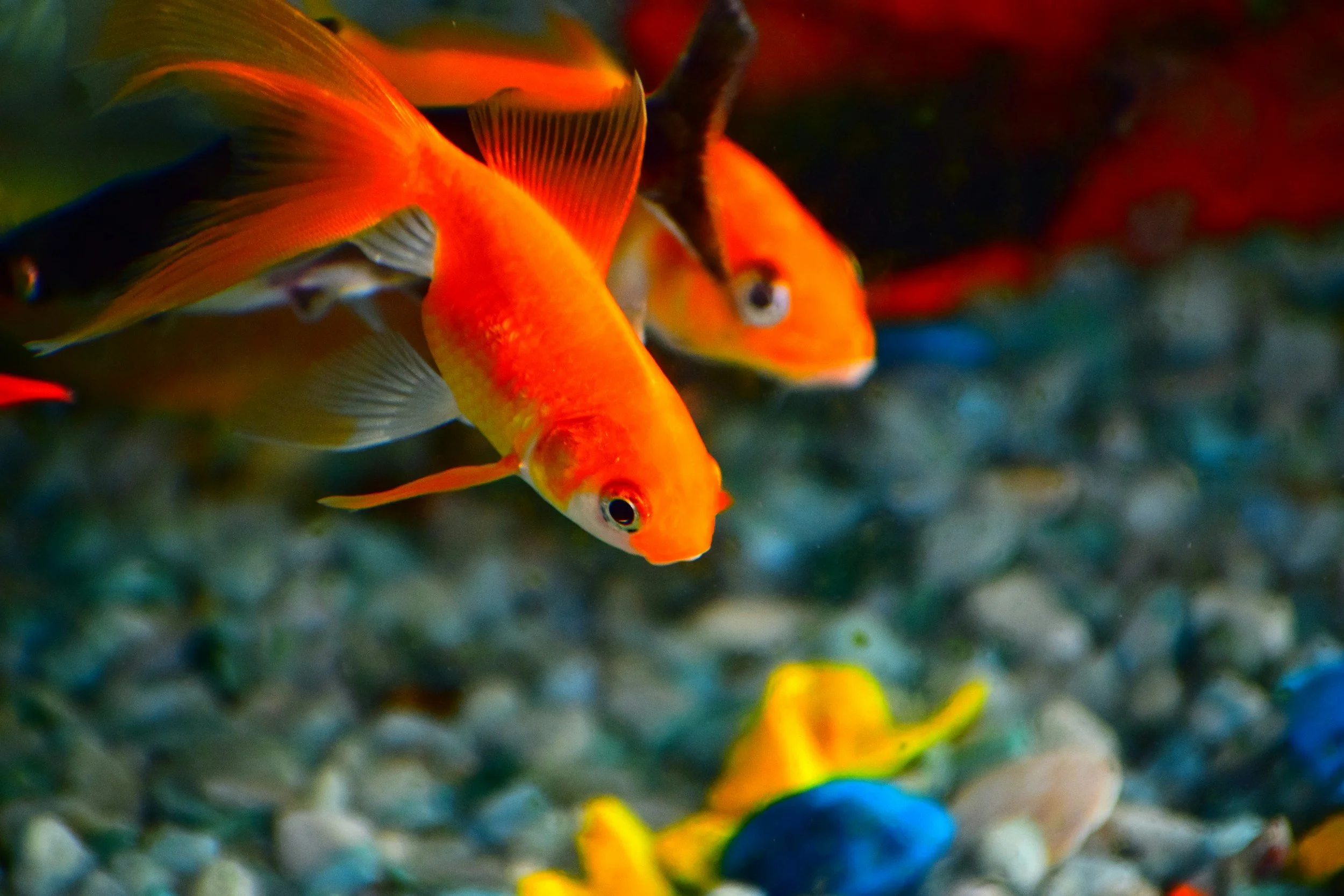
Goldfish are common, but they are not simple. Good welfare depends on space, filtration, appropriate water quality and temperature, social opportunity, places of refuge and a stable environment that supports their needs as active, long-lived fish.
Putting species first
Putting species first means beginning with the animal’s biology rather than human convenience, tradition, availability or market demand. It means asking whether the animal’s needs can be met consistently, competently and sustainably in the setting where it is being kept.
It also means being honest when those needs are complex, poorly understood, expensive, time-consuming or difficult to meet. That honesty is not anti-keeper. It is pro-welfare.
Many keepers, vets, scientists, rescuers, inspectors and educators are working to improve the lives of exotic animals in captivity. The aim should not be to blame individuals who are trying to do better, but to raise the standard of understanding, guidance and decision-making.
Species First Principle
Put the needs of the species first,
while recognising the individual animal in front of us.
Species-specific care provides the foundation. Individual assessment makes it meaningful. The Welfare Gap Framework helps identify where welfare may be compromised and where improvement is possible.
Sources and further reading
1. Mason, G. J. (2010). Species differences in responses to captivity: stress, welfare and the comparative method. Trends in Ecology & Evolution, 25(12), 713–721. https://doi.org/10.1016/j.tree.2010.08.011
2. Clubb, R. & Mason, G. J. (2003). Animal welfare: captivity effects on wide-ranging carnivores. Nature, 425, 473–474. https://doi.org/10.1038/425473a
3. Mellor, D. J. (2017). Operational details of the Five Domains Model and its key applications to the assessment and management of animal welfare. Animals, 7(8), 60. https://doi.org/10.3390/ani7080060
4. Mellor, D. J., Beausoleil, N. J., Littlewood, K. E., McLean, A. N., McGreevy, P. D., Jones, B. & Wilkins, C. (2020). The 2020 Five Domains Model: including human–animal interactions in assessments of animal welfare. Animals, 10(10), 1870. https://doi.org/10.3390/ani10101870
5. Špinka, M. (2019). Animal agency, animal awareness and animal welfare. Animal Welfare, 28(1), 11–20. https://doi.org/10.7120/09627286.28.1.011