About the Founder | Species First shkennell@speciesfirst.co.uk
Zoologist
Conservation Genetics Research - UCL/ZSL
Senior Scientific Officer (Exotic animals) - RSPCA
Contributor to DEFRA Animal Welfare Act working groups on pet trade, pet fairs, primates and invasive species

Why Species First Exists
Species First was founded by Sarah Kennell to improve how animal welfare is understood and applied in captivity.
Despite good intentions, many animals experience poor welfare - not always through neglect, but because clear, species-specific guidance is often lacking.
This pro-welfare initiative was created to help close that gap.
This includes the development of practical frameworks and tools designed to support welfare assessment, education, research and policy. This includes the Species First Welfare Gap Framework and the developing Species Complexity Index, which will be refined through collaboration with experts from the veterinary, scientific and animal care communities.
With over two decades of experience in conservation genetics, wildlife trade policy and exotic animal welfare - including roles at the Zoological Society of London (ZSL), RSPCA Science Group and contributions to DEFRA Animal Welfare Act working groups - I have worked across the interface of science, policy and practice.
Across these settings, one issue consistently emerged: the gap between intention and outcome.
The Spark: A Lifetime of Fascination
I have always been fascinated by animals. From a childhood menagerie of pets to quiet hours watching birds in my grandmother’s garden; that curiosity for animal behaviour led me to study zoology. Over time, that fascination developed into a growing concern - not only for the impact of trade on the survival of animals in the wild, but for the welfare of those kept in captivity.
The Catalyst: Seeing the Reality
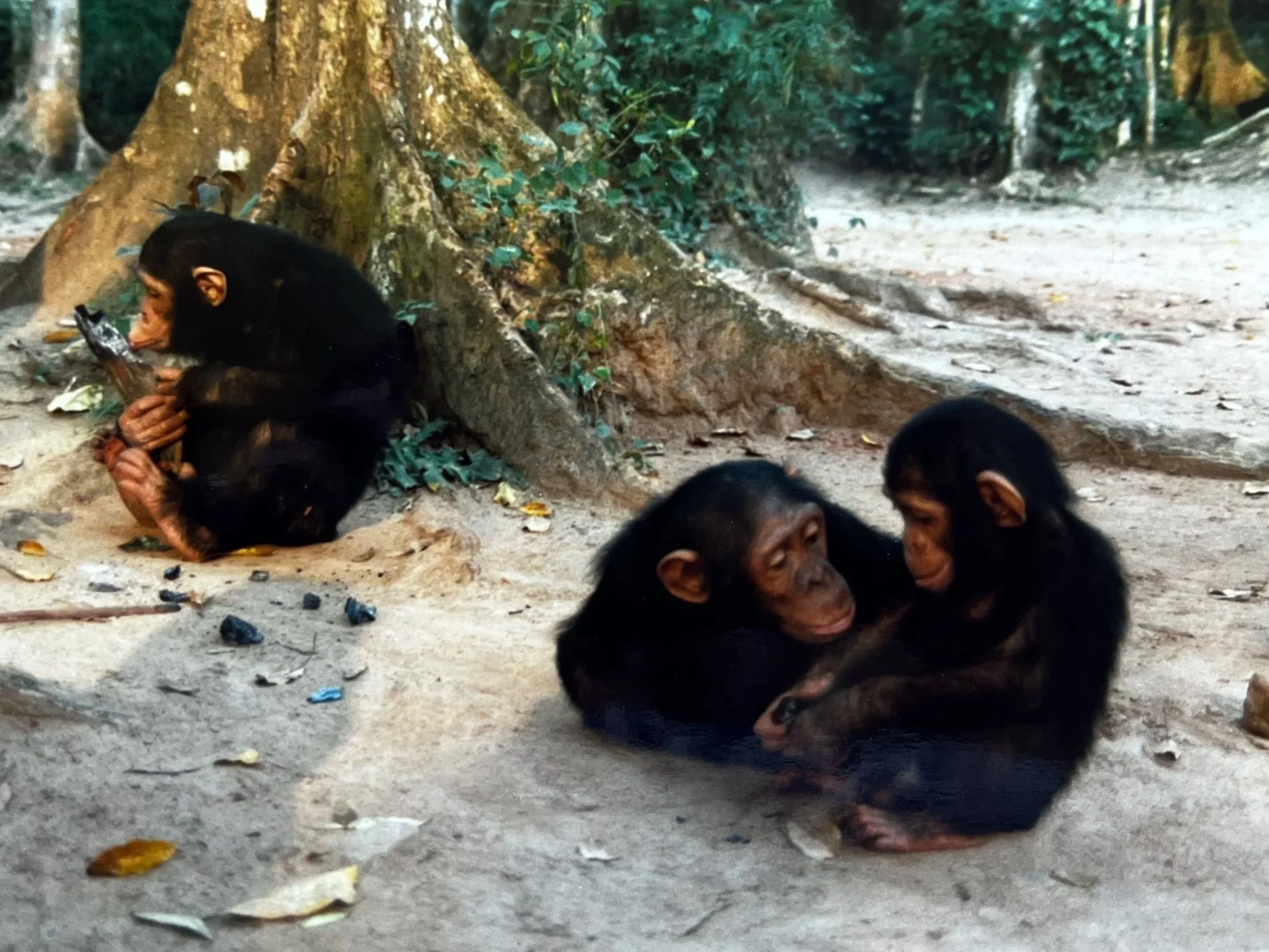
The true catalyst came during a gap year travelling from Morocco to Kenya. The journey became an education in the realities of wildlife exploitation: tortoise shells and gorilla hands sold as souvenirs, monkeys destined for the bushmeat trade and young wild chimpanzees rescued from the pet trade. These encounters were a call to action.
We all carry memories that ignite a fire within us, setting us on a path that shapes our lives. In the Ituri Forest in Zaire (now the Democratic Republic of the Congo) I experienced a quiet but profound interaction with a wild monkey that would shape the course of my life.
I had pitched my tent beside the Epulu River and rested beneath a tree; leaning back to read. I drifted off, then woke to the soft rustling of leaves above me. Looking up, I saw a small, curious face watching me. I froze and waited. After what felt like an eternity, the monkey slid down the trunk and approached; its tiny brown eyes fixed on mine.
Then the unexpected happened.
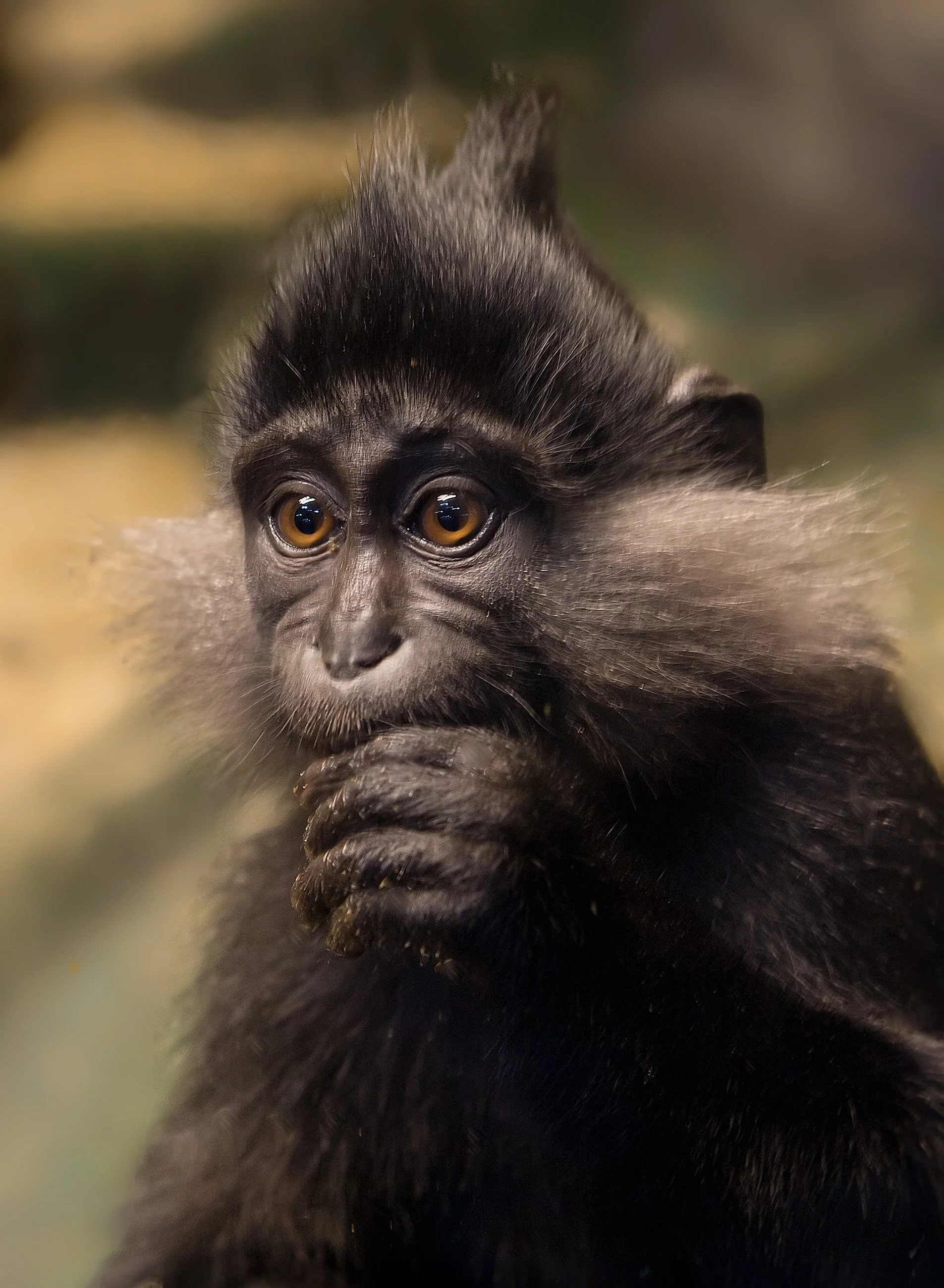
The juvenile black crested mangabey monkey walked towards my crossed legs, climbed onto my lap, pulled my plait a few times, then curled between my knees and fell asleep.
I sat motionless, legs numb, focused on the tiny black hand resting in my own palm.
“In that moment, I felt a profound sense of connection and responsibility.”
This young animal brought into focus something fundamental: animals place trust in us; whether in the wild or in our care. That trust carries responsibility.
The Mission: From Conservation Genetics to Animal Welfare
That sense of responsibility shaped my professional life. Back in the UK, I persuaded Professor Sam Berry at University College London (UCL) to support my research into the genetic and welfare implications of captive breeding. I later joined the conservation genetics group at the Zoological Society of London (ZSL), working alongside an international team dedicated to conserving endangered species.
A decade later, I moved to the RSPCA, becoming a Senior Scientific Officer focused on the welfare of exotic animals kept in captivity and the complexities of wildlife trade. This work brought science into direct application - informing policy, improving standards and addressing real-world welfare challenges.
The Challenge: Bridging the Gap Between Intent and Outcome
Through this work, one pattern became clear: Many people who keep animals genuinely want to provide good care. Yet poor welfare outcomes are still common.
This is not always the result of neglect; it frequently begins with:
limited or inconsistent guidance
outdated assumptions
a lack of species-specific understanding.
Animals adapted to complex environments are often described as “easy to keep”, while their biological and behavioural needs remain insufficiently understood or applied. The result is a persistent gap between what people intend and what animals experience.
Why Species First?
Addressing this gap requires collaboration.
Throughout my career, I have worked with keepers, veterinarians, breeders, rescue organisations, policymakers and regulators. These discussions - across disciplines and perspectives - consistently led to the same conclusion:
Clear, evidence-based, species-specific guidance is essential to improving welfare. This is why Species First was created.
What Species First Does
Species First is an evidence-based initiative dedicated to improving welfare outcomes through species-specific guidance and the development of practical frameworks, resources and tools. It aims to:
share knowledge of species’ lives in the wild to better inform their care
highlight key welfare considerations in captivity
promote practical, evidence-based care approaches
support both novice and experienced keepers in making informed decisions
ensure decisions about animal care are guided by the biological and behavioural needs of each species
A Collaborative Approach
This is not about criticism - it is about achieving better welfare outcomes through working together across sectors, combining expertise, experience and evidence.
Whether you are a keeper, veterinarian, researcher, policymaker or part of a rescue organisation, this initiative is designed to support a more informed and constructive approach.
Looking Ahead
This principle is simple - to always:
Put the needs of the species first.
By improving how those needs are understood and applied, we can create more consistent, evidence-based approaches to animal care - benefiting both animals and the people responsible for them.
Join the Conversation
If you are working to improve the lives of animals in captivity - or want to better understand how to meet their needs - this platform is for you.
Join us in building a more informed, collaborative approach to animal welfare.
Work with us
Species First is built on collaboration across disciplines and experience.
If you are a:
keeper
veterinarian
researcher
policymaker
or work in animal care, welfare or trade
Help advance evidence-based care that puts the needs of the species first.
We welcome your collaboration and informed perspectives
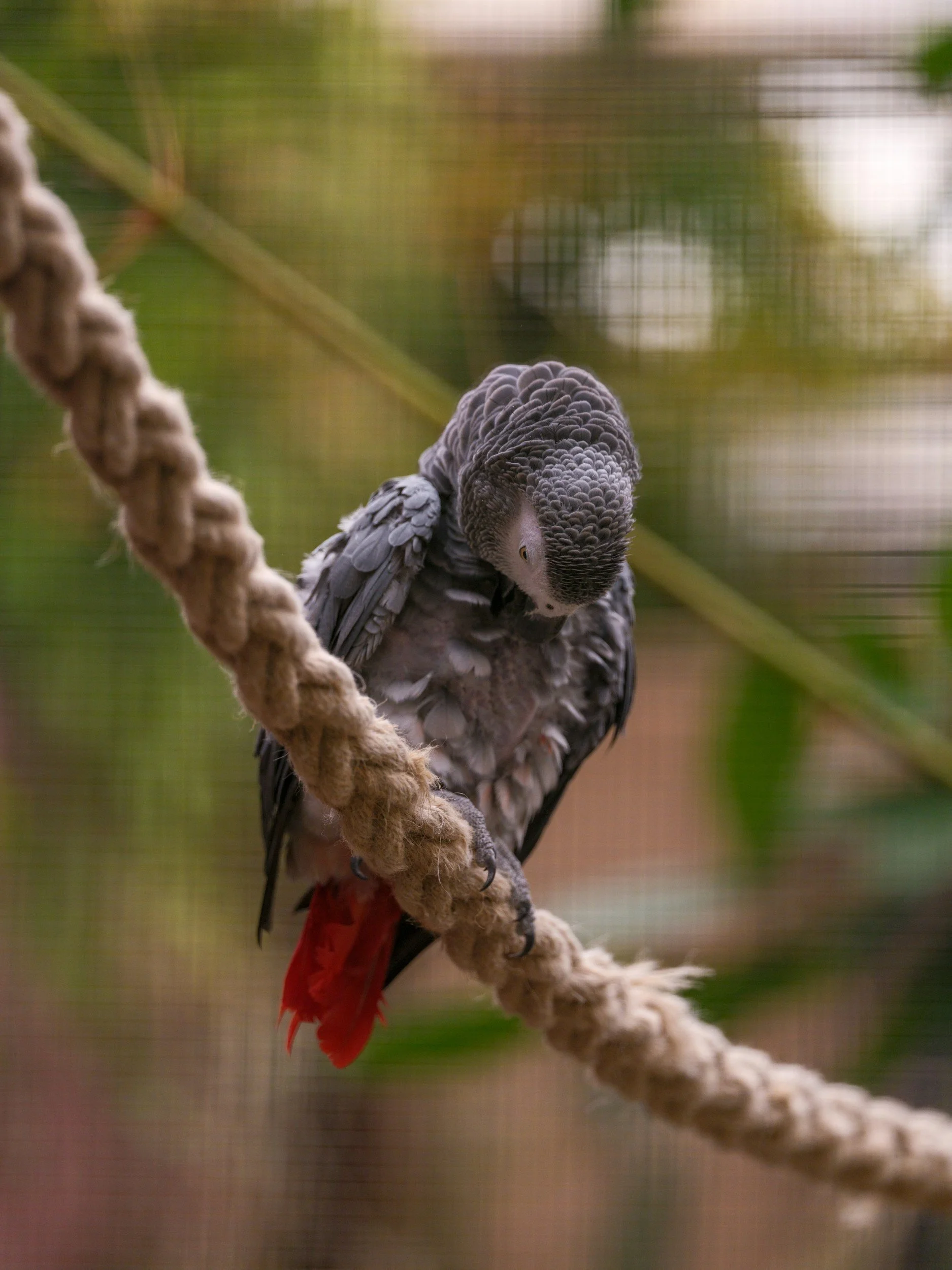
Welfare outcomes are shaped by environment, husbandry and species-specific needs.
African grey parrot in an aviary showing feather loss, a potential indicator of stress, health issues or suboptimal husbandry conditions.
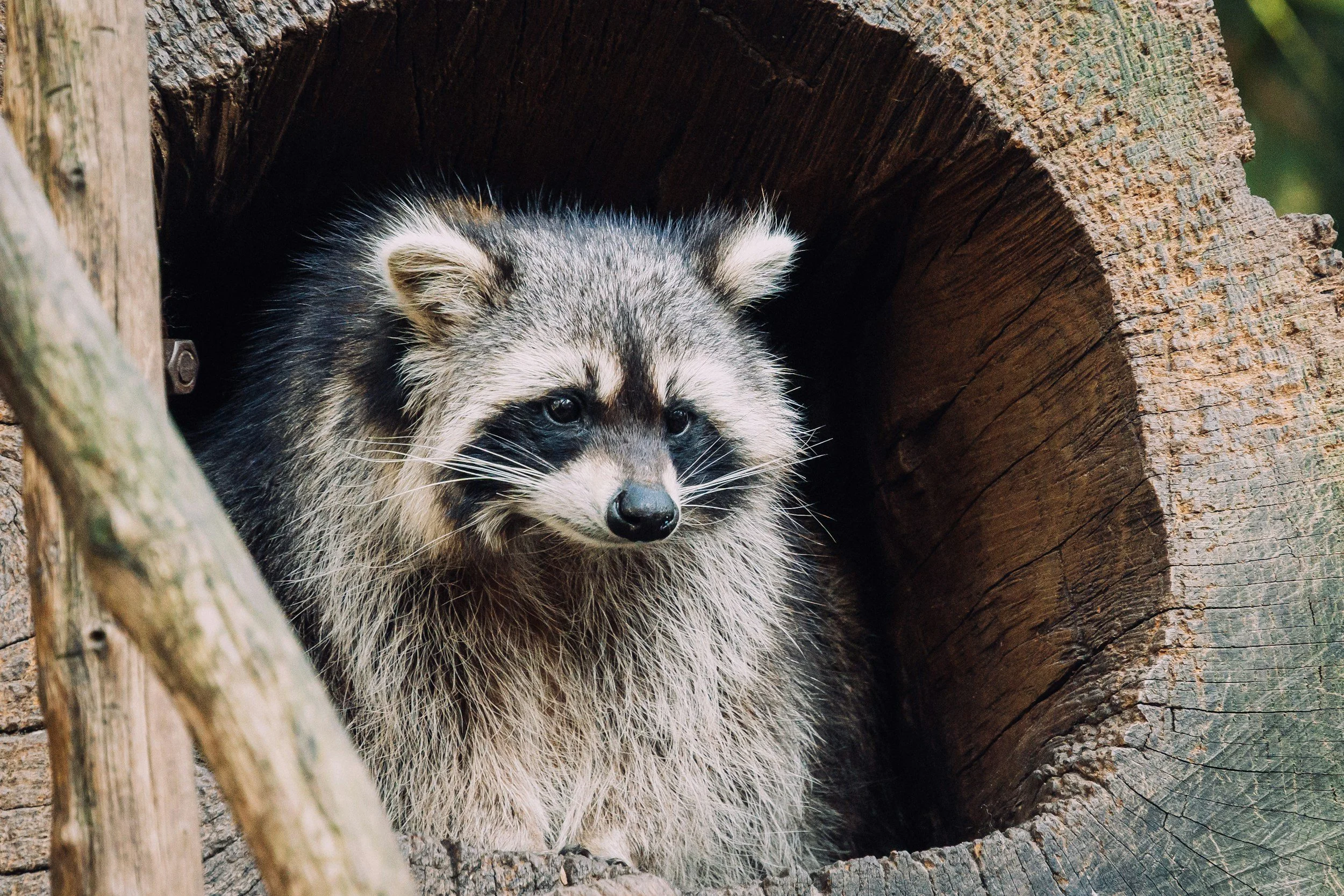
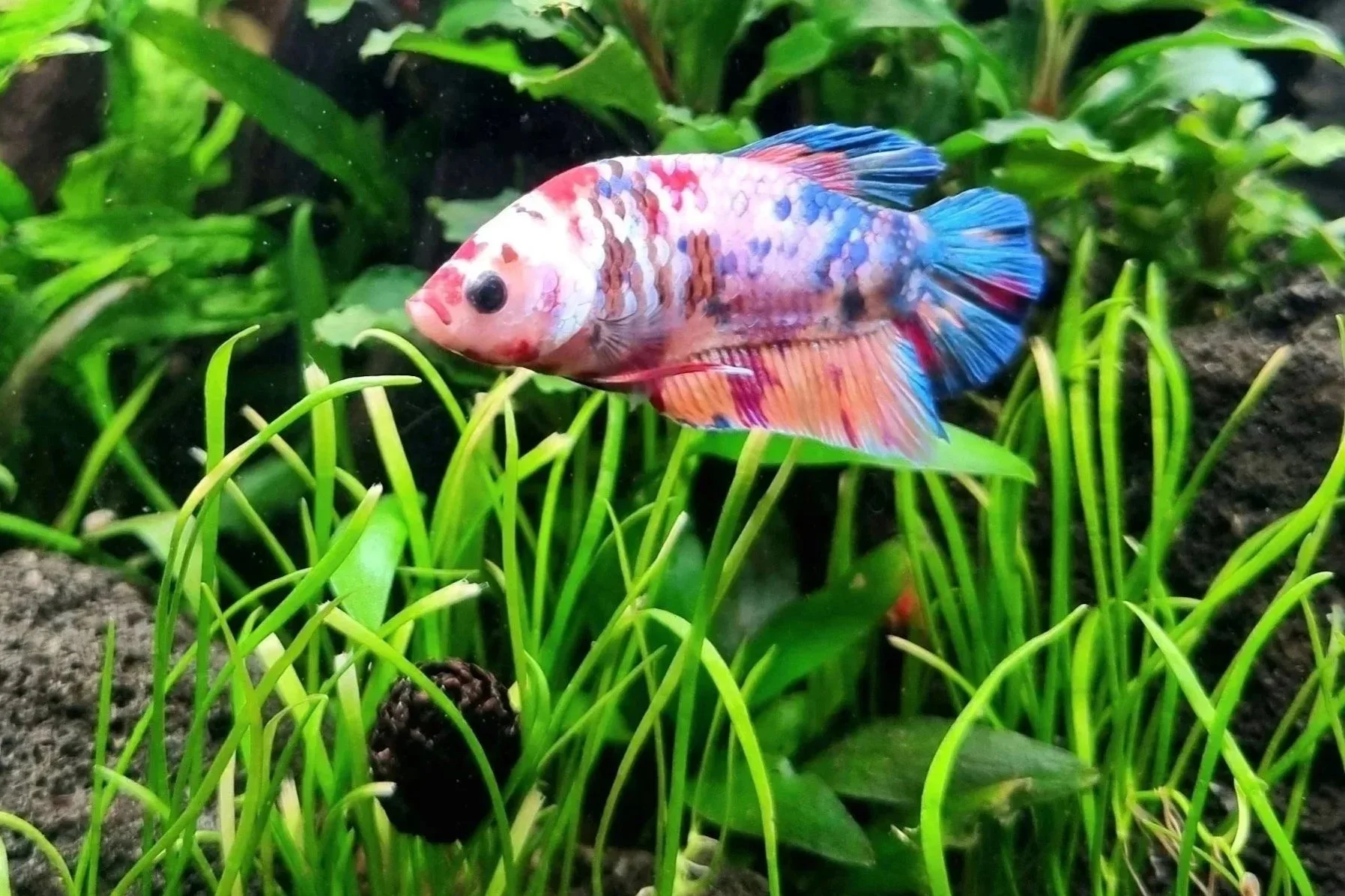
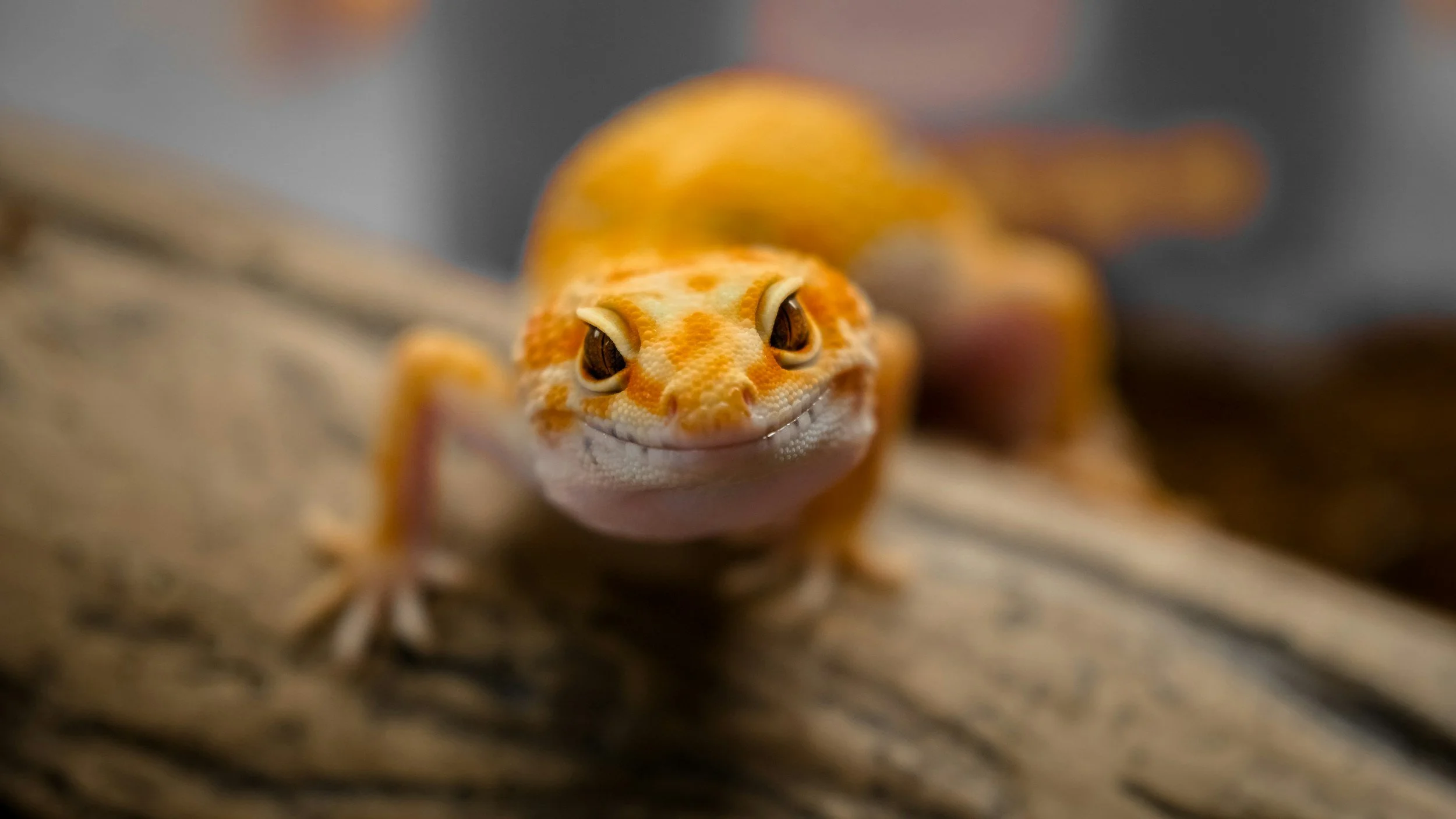
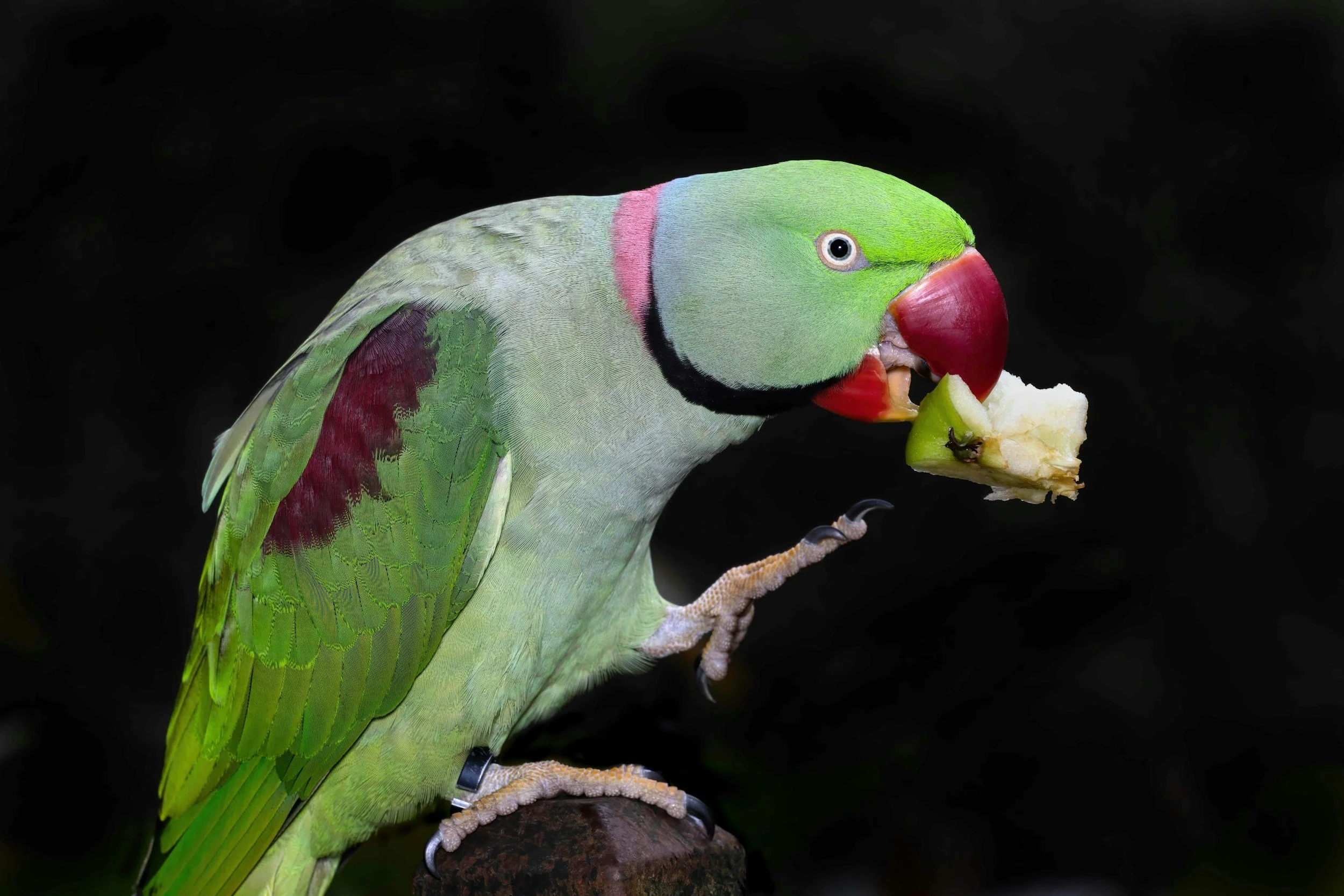
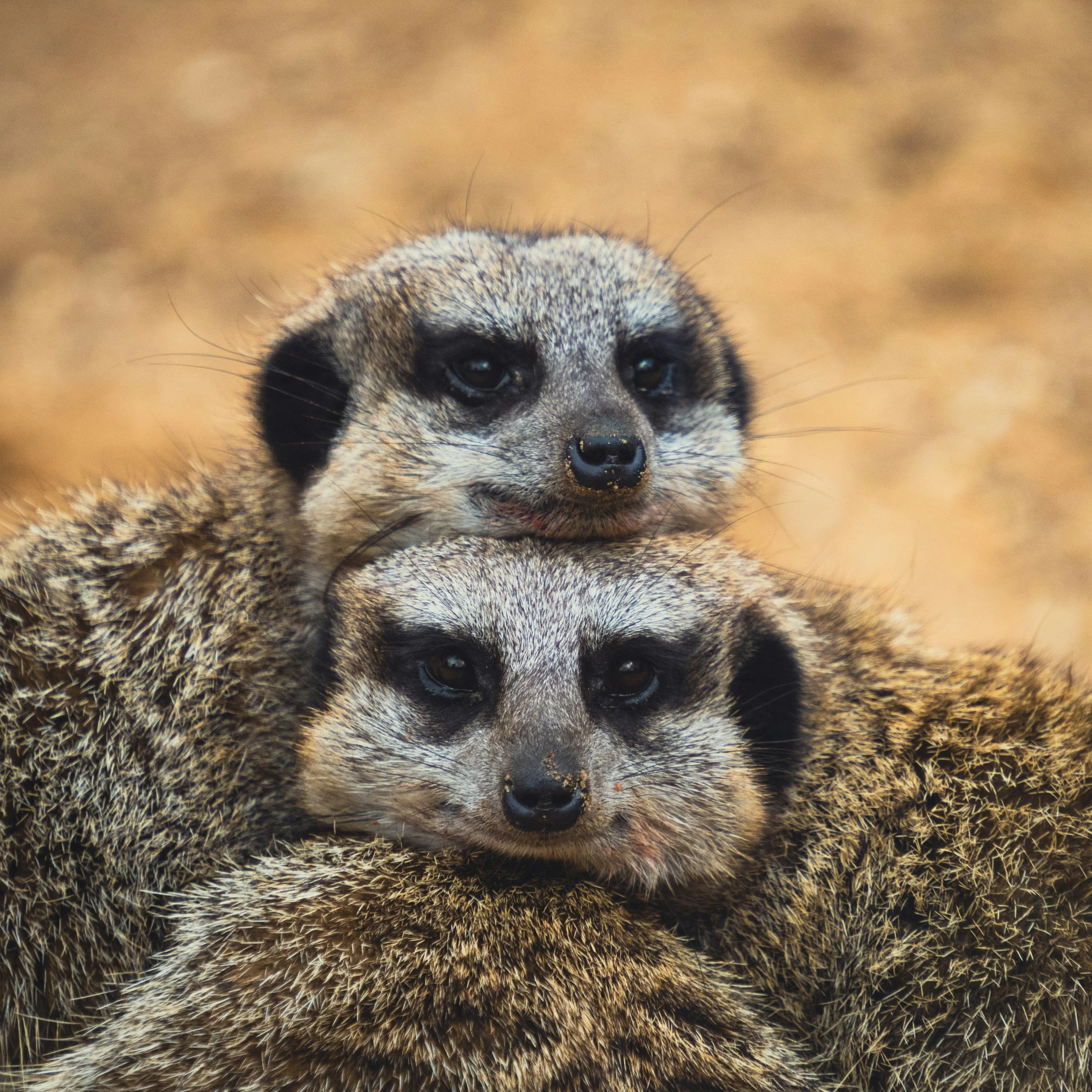
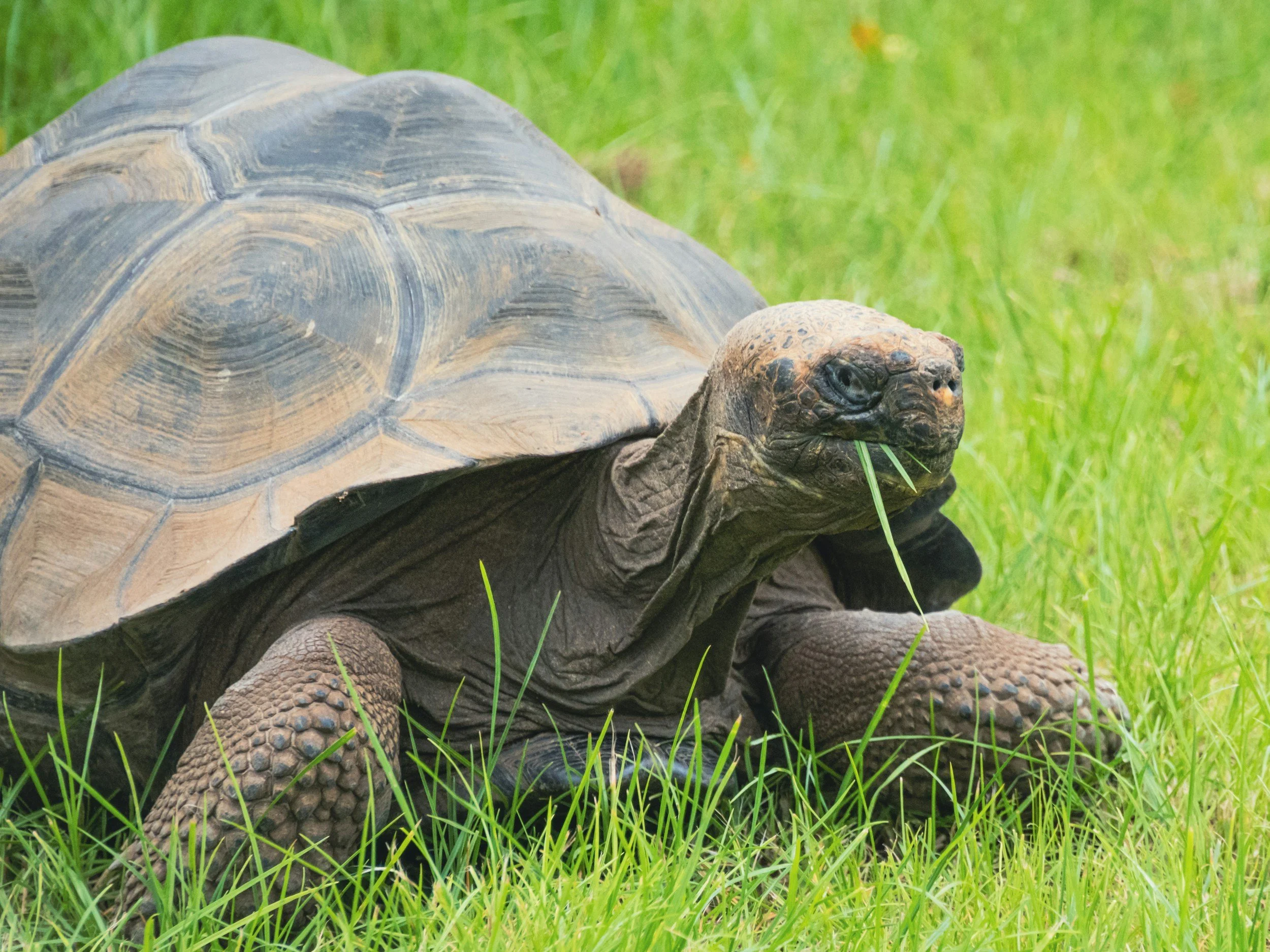
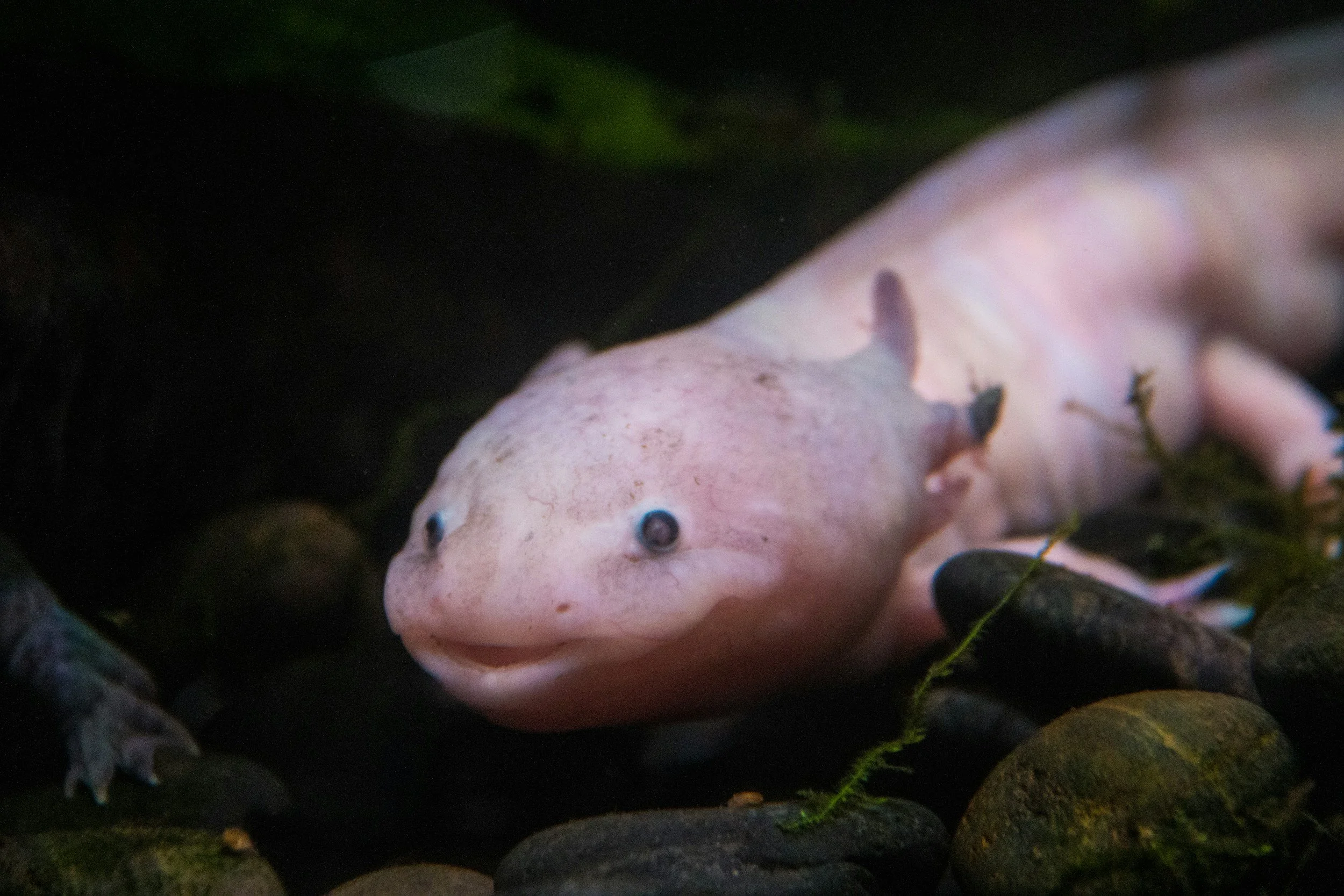
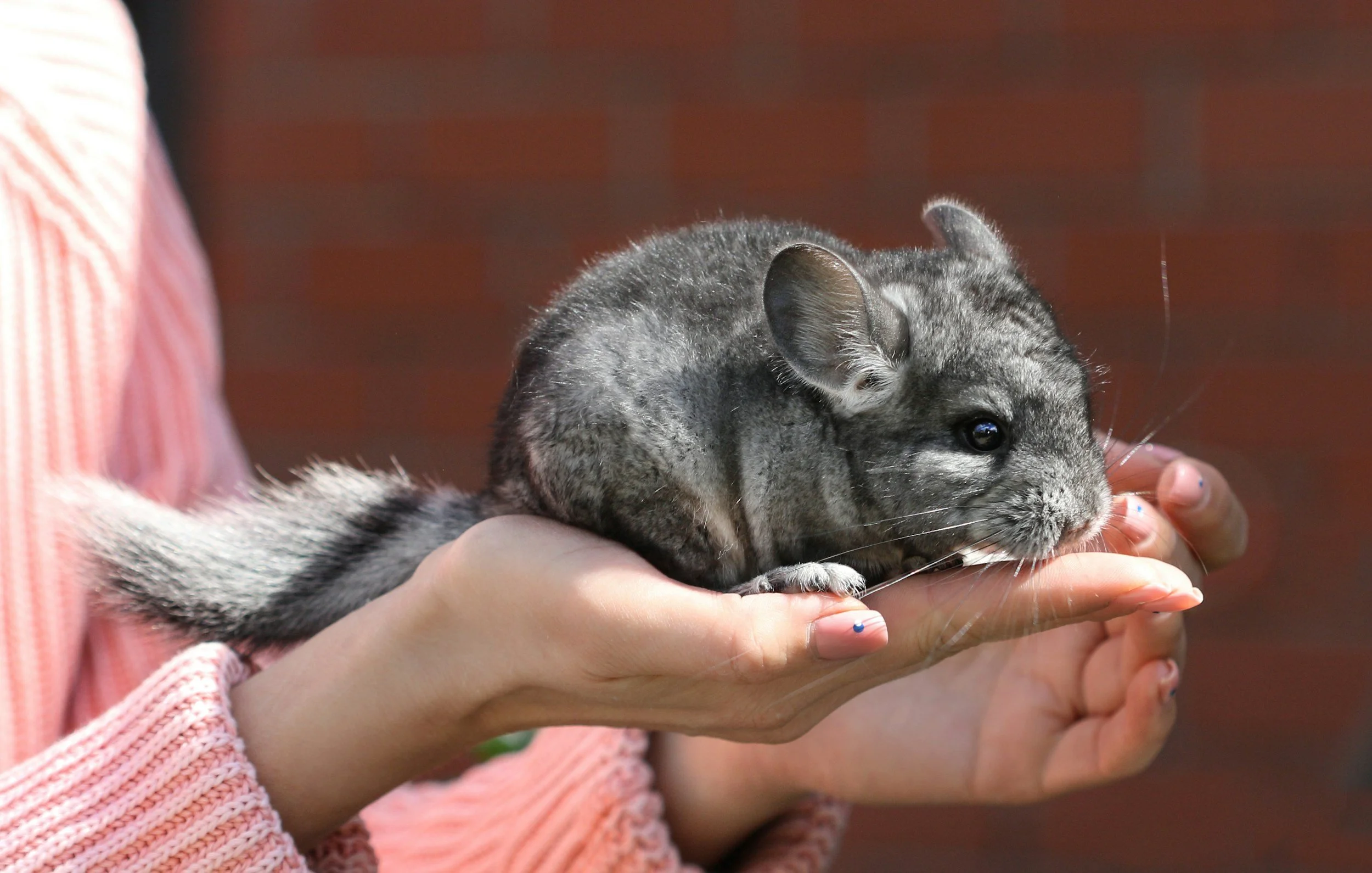
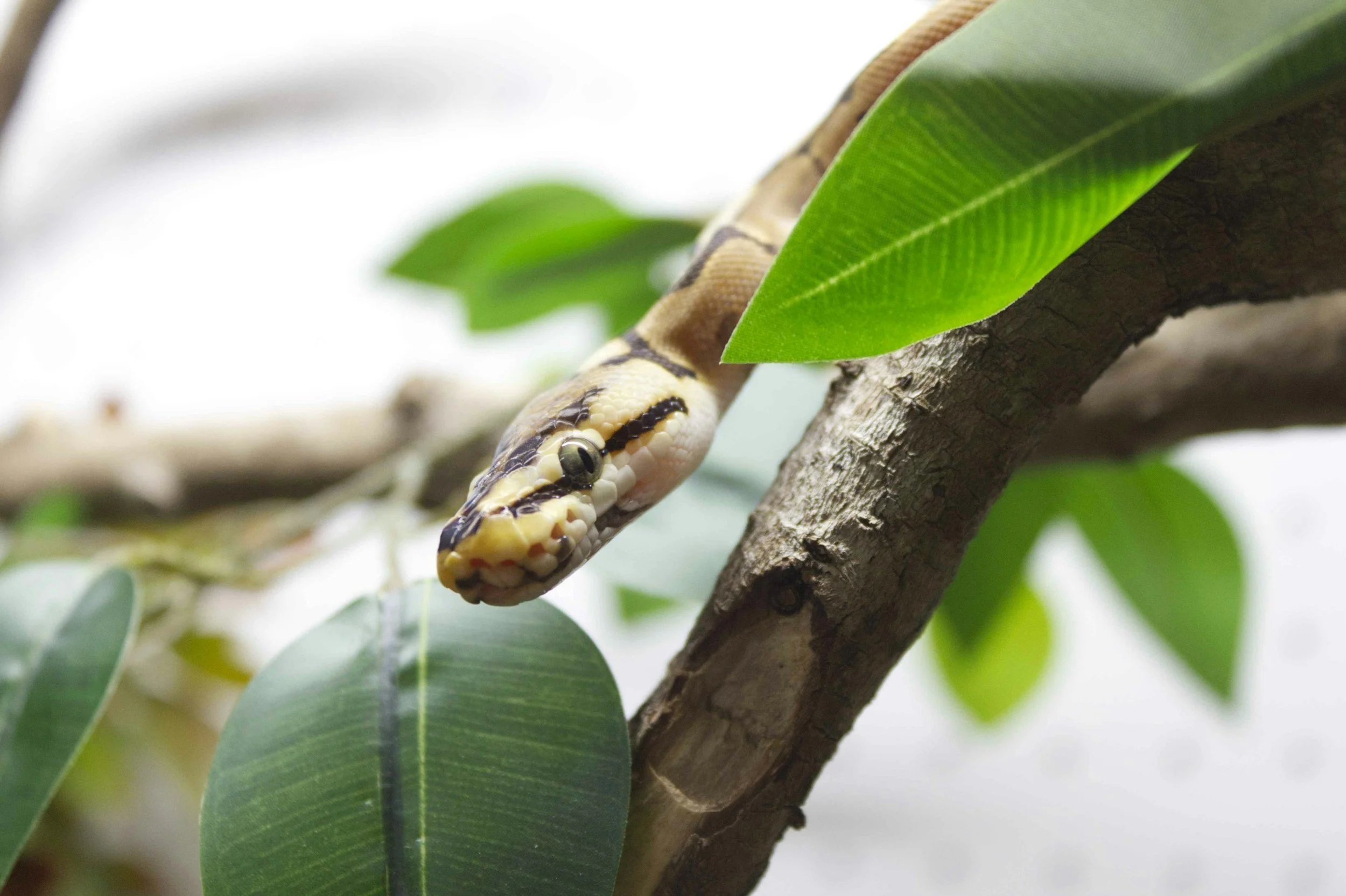
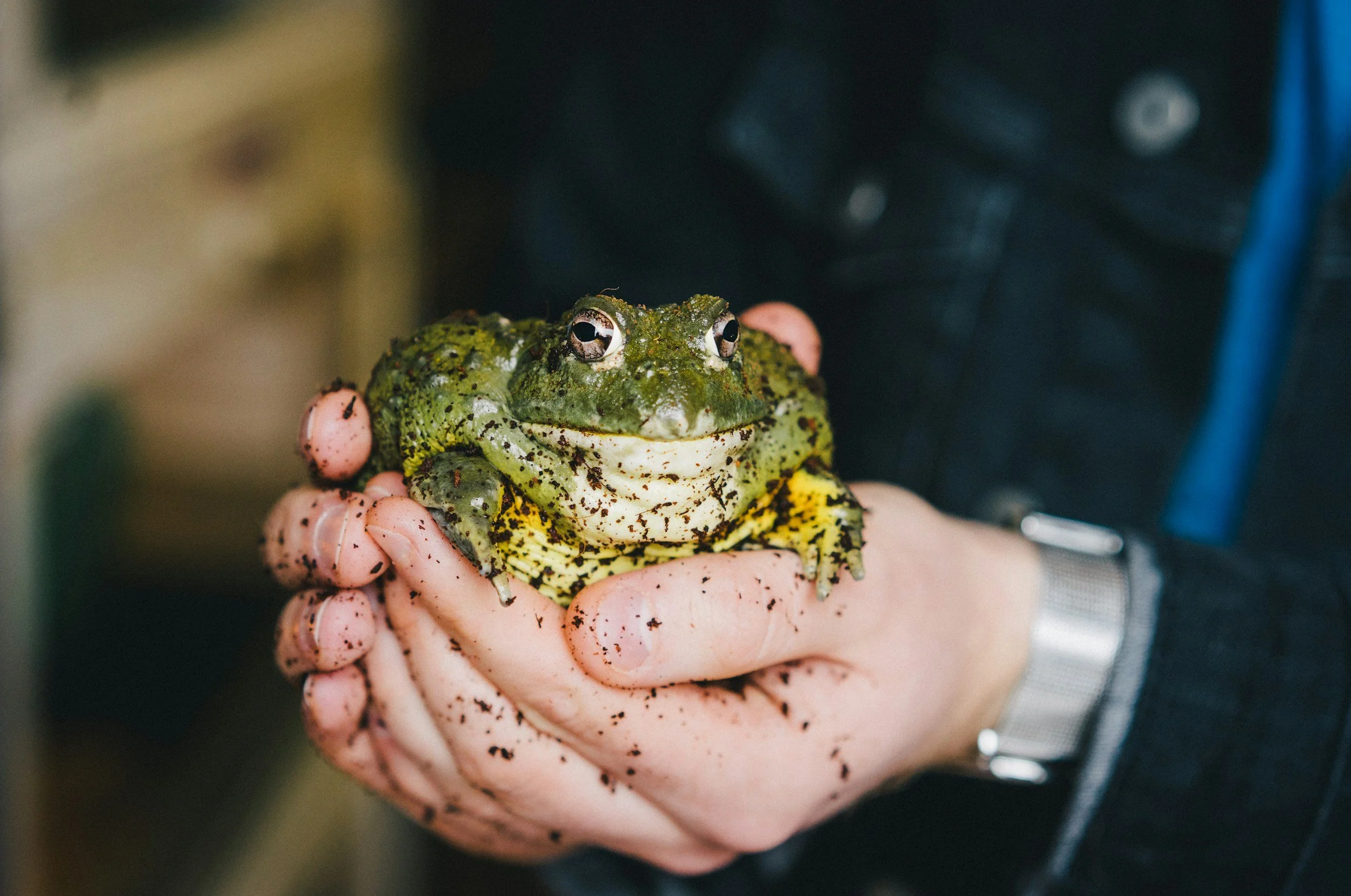
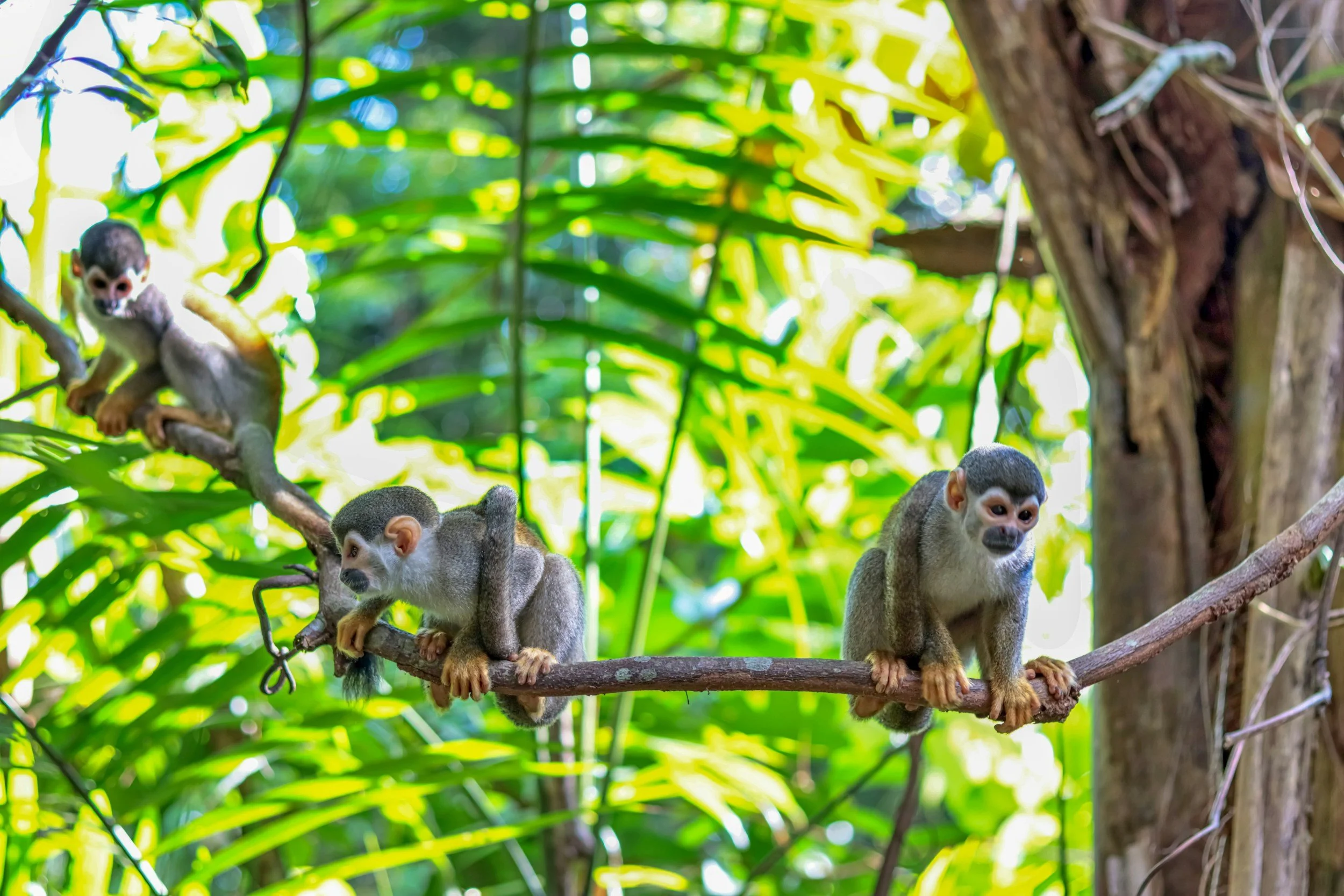
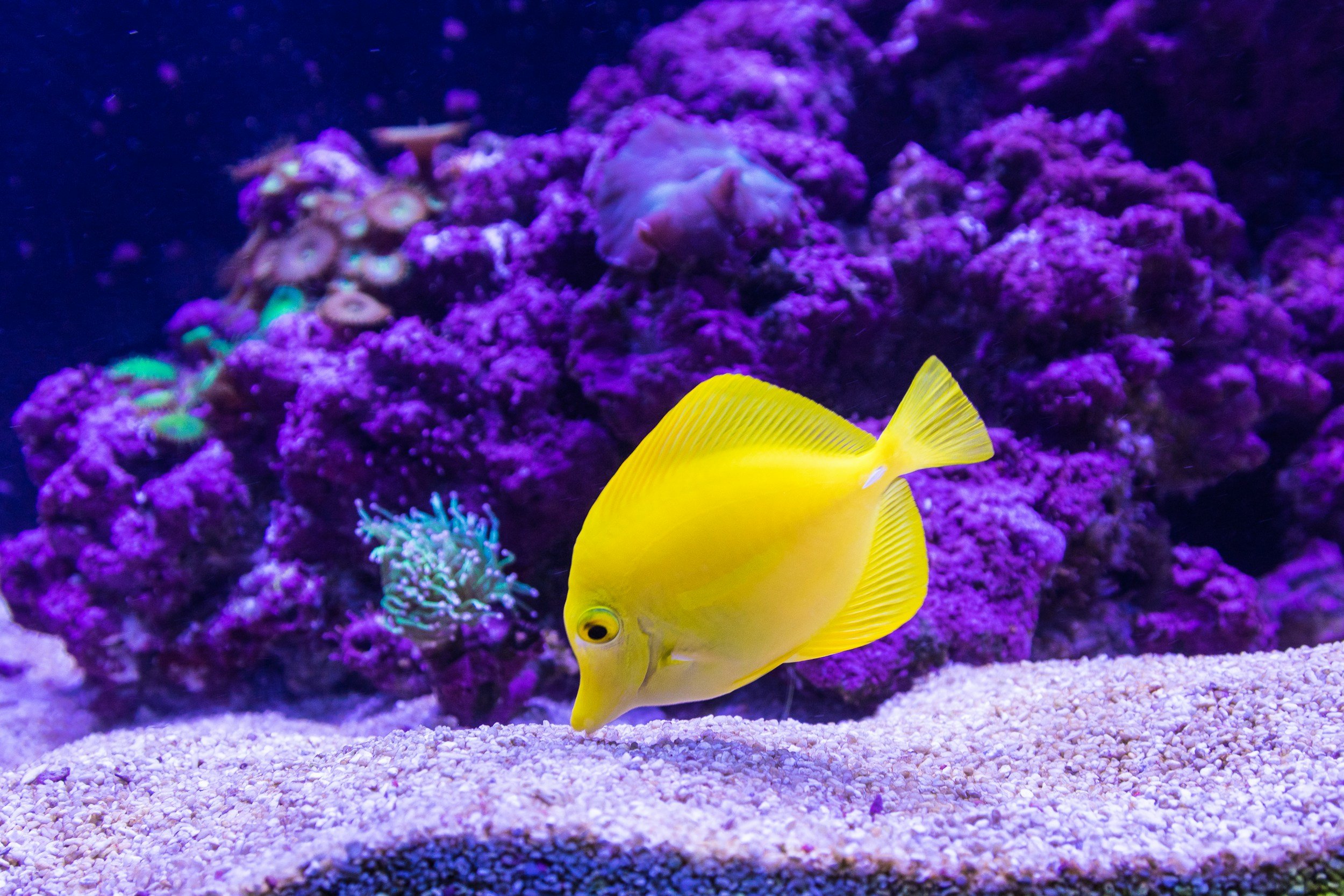
Examples of the diverse range of species kept in captivity across taxa
From amphibians and reptiles to primates and tropical fish - representing just a fraction of the species kept in captivity, each with very different welfare needs