
Responsible pet ownership: Understanding animal welfare and species needs

Species First® approach recognises that the relationship between humans and animals can be deeply rewarding when the needs of the animal are understood and met.
Whether it is the enthusiastic greeting of a dog, the quiet presence of a rabbit or the striking behaviour of a reptile, animals can bring companionship, structure and interest into our lives. There is strong evidence that animals can support mental wellbeing, encourage physical activity and provide a sense of connection[1].
However, responsible pet ownership is about more than the benefits animals bring to us. When we choose to keep an animal, we take on full responsibility for its welfare for the duration of its life.
At the heart of good animal care is a simple principle: the needs of the species must come first.
Species First Principle
Responsible animal care begins with understanding
what a species needs to thrive
and ensuring those needs are consistently met.
What Is Responsible Pet Ownership?
Responsible pet ownership means providing for all aspects of an animal’s welfare - not just food and water, but the conditions needed for it to live a healthy and fulfilling life.
This is especially important for exotic animals, whose needs can be complex and closely match their previous home and very different to those of more familiar domestic species[2].
Understanding Animal Welfare: The Needs of the Species
Every animal has evolved to survive in a specific environment, with behaviours and biological requirements shaped by its natural history. When animals are kept in captivity, those needs do not disappear - they must be carefully provided for.
Good animal welfare depends on meeting the four key types of needs, consistent with modern welfare frameworks such as the Five Domains model[3]:
Physiological needs (health and nutrition)
Animals require a species-appropriate diet, correct environmental conditions (such as temperature, humidity and lighting), access to clean water and preventative veterinary care.
Environmental needs (space, time of activity and housing)
Animals need sufficient space and appropriate surroundings to move, rest and feel secure. Enclosures should reduce stress, prevent injury and reflect the animal’s natural environment.
Behavioural needs (natural behaviours and enrichment)
Animals must be able to express natural behaviours such as foraging, exploring, climbing or digging. Without these opportunities, welfare can be compromised.
Social needs (interaction or solitude)
Some species require companionship, while others are naturally solitary. Understanding this is essential to prevent stress, anxiety or behavioural problems.
Failure to meet these needs affects an animal’s welfare - even if the intention to care is good.
Veterinary organisations highlight that many exotic species have complex needs that can be challenging to meet in captivity[4].
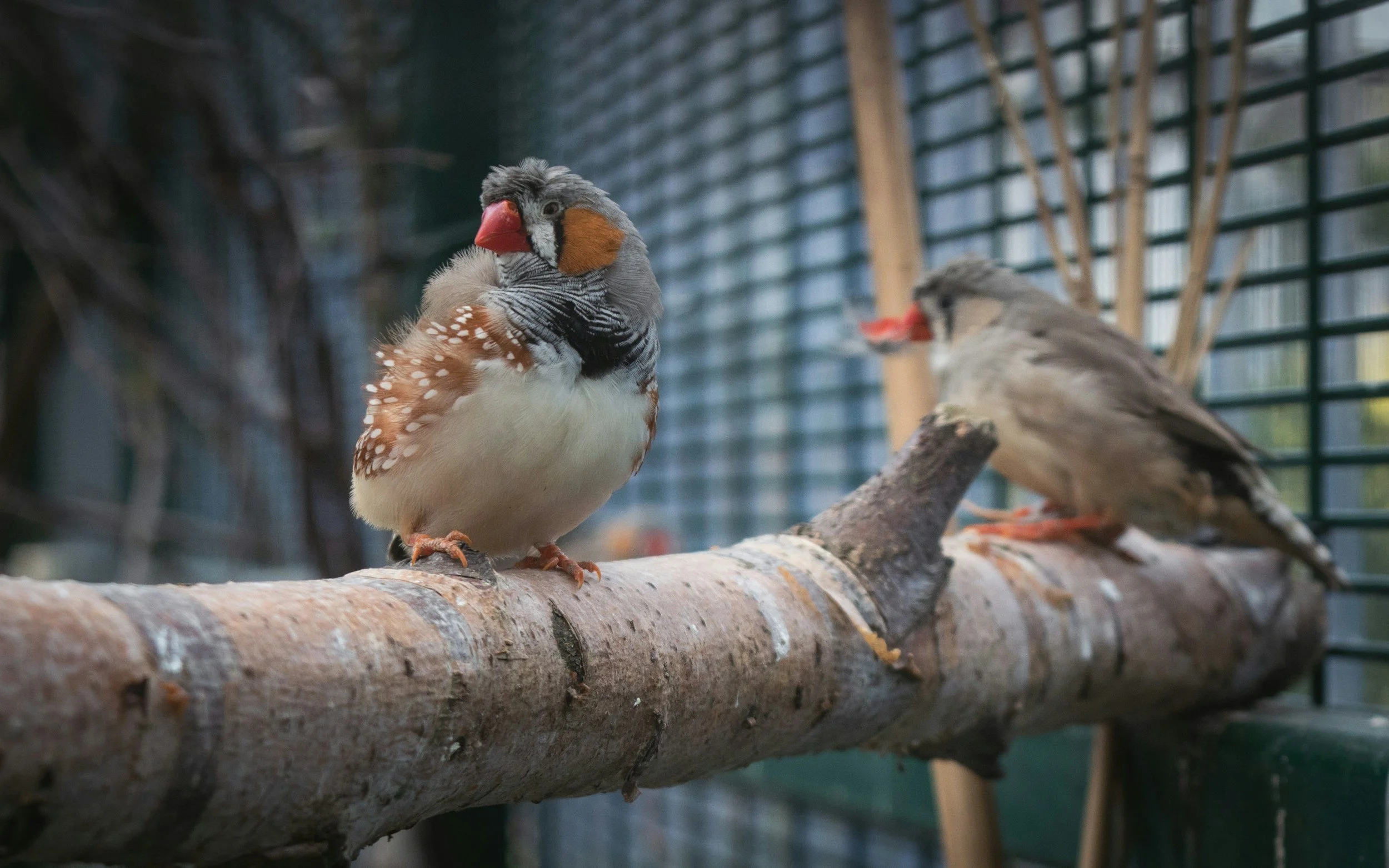
Providing environments that allow a species’ natural behaviour is essential for good welfare.
Ethical Sourcing: Wild-Caught vs Captive-Bred Animals
Responsible pet ownership begins before an animal is acquired.
The global trade in wild animals raises serious animal welfare and conservation concerns. Capture and transport are often associated with stress, injury, high mortality rates and removal from the wild can impact natural populations[5].
For these reasons, animals taken directly from the wild should not be kept as pets.
Responsible sourcing includes:
adopting animals from shelters or rescues
choosing captive-bred animals from reputable, welfare-focused sources[5]
This helps ensure that keeping animals does not contribute to suffering or environmental harm.
Choosing the Right Animal: Matching Needs to Lifestyle
Choosing a pet should be based on whether you can meet the animal’s needs - not just whether you find it appealing.
Ask:
Which animal’s needs can I realistically meet for its entire life?
Important factors include:
Time commitment (daily care, enrichment, interaction)
Space and housing requirements
Financial resources, including veterinary care
Lifespan, which may extend for decades in some species
Expectations, including period of activity, level of interaction and cost of care
Matching expectations with the reality of the animal’s needs is essential for good welfare[6].
Why Species-Specific Care Matters
Different species have very different needs. What works for one animal may be entirely unsuitable for another.
For example:
reptiles require access to a gradient of suitable temperature and lighting conditions
parrots require social interaction and space to move
some mammals require highly complex environments and enrichment
Understanding species-specific care is fundamental to responsible pet ownership.
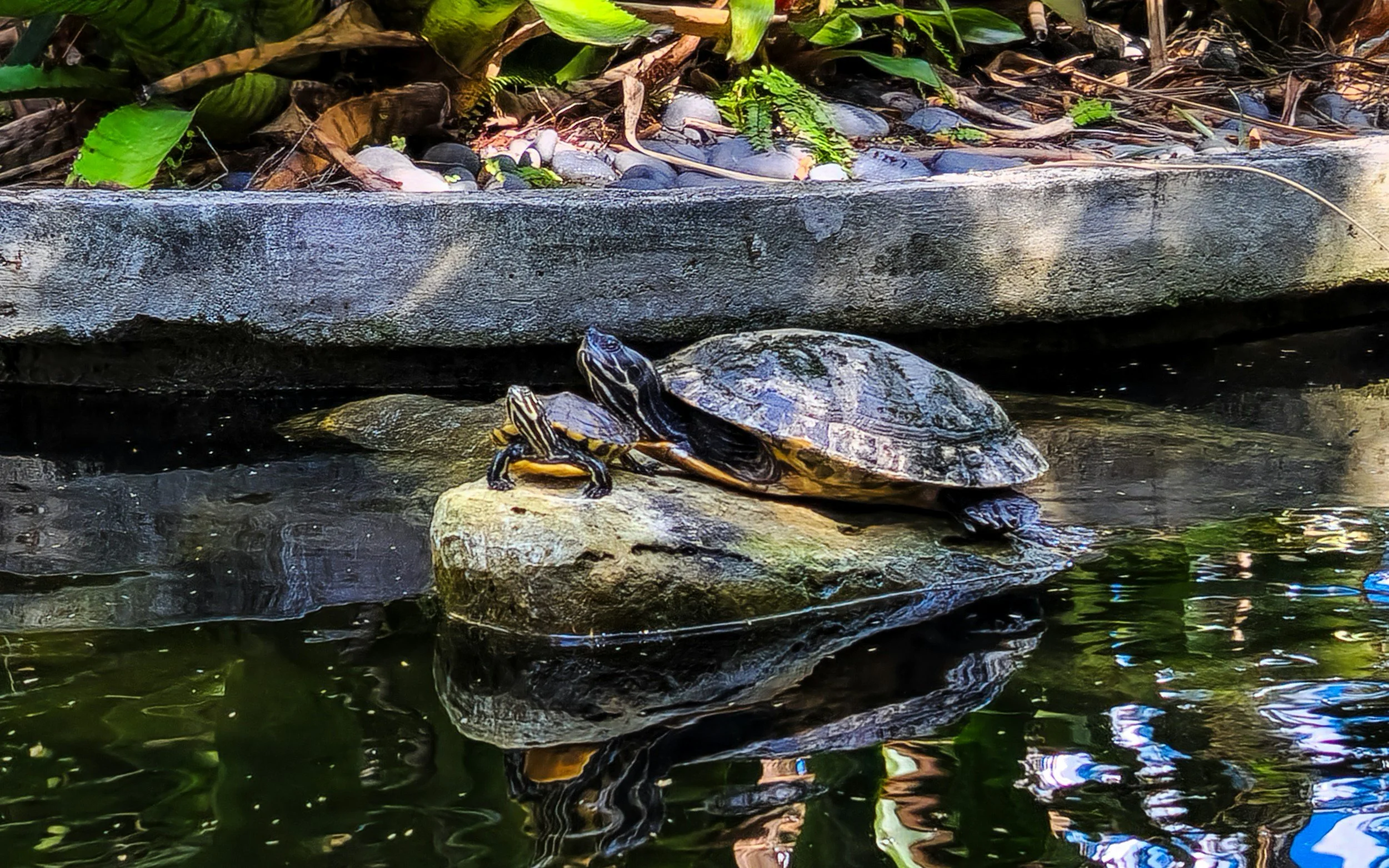
Some species require complex environments, including access to both water and land, to support natural behaviours such as basking.
Conclusion: Putting Animal Welfare First
Keeping animals can be a positive and enriching experience. But that experience depends entirely on the quality of care provided.
Responsible pet ownership is not defined by intention alone - it is defined by whether the animal’s needs are consistently met.
At Species First, we promote a simple approach:
Understand the species, and let its needs guide every decision.
When this principle is followed, the relationship between humans and animals can be beneficial for both.
Sources and further reading
1. Harvard Health Publishing (2024). The health benefits of pet ownership. Available at: https://www.health.harvard.edu/heart-health/the-health-benefits-of-pet-ownership (Accessed: April 2026).
2. RSPCA (n.d.). The Animal Welfare Act 2006 and the Five Welfare Needs. Available at: https://www.rspca.org.uk/whatwedo/endcruelty/changingthelaw/whatwechanged/animalwelfareact (Accessed: April 2026).
3. Mellor, D.J. (2017). Operational details of the Five Domains model and its key applications to the assessment and management of animal welfare. Animals, 7(8), 60.
4. British Small Animal Veterinary Association (2022). Position statement on non-traditional companion animals. Available at: https:www.bsava.org.uk (Accessed: April 2026).
5. World Wildlife Fund (2020). Wildlife Crime: Poaching, trafficking and demand explained. Available at: https://www.worldwildlife.org/ourwork/wildlife/wildlife-crime/ (Accessed: April 2026).
6. Wensley, S.P. (2008). Animal Welfare and the Human-Animal Bond: Considerations for Veterinary Faculty, Students and Practitioners. Journal of Veterinary Medical Education: (35) 4 Available at: https://utppublishing.com/doi/full/10.3138/jvme.35.4.532 (Accessed: April 2026).